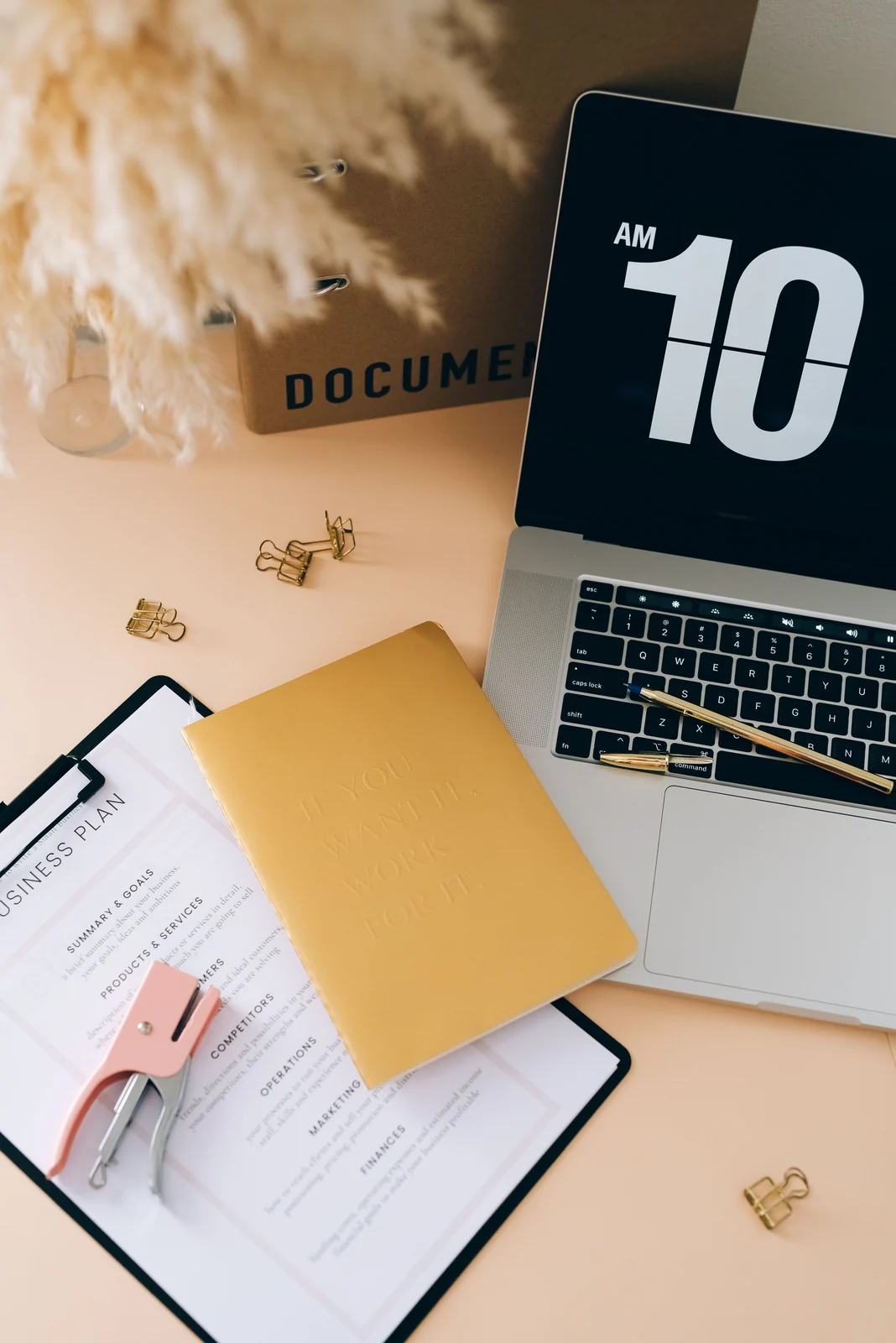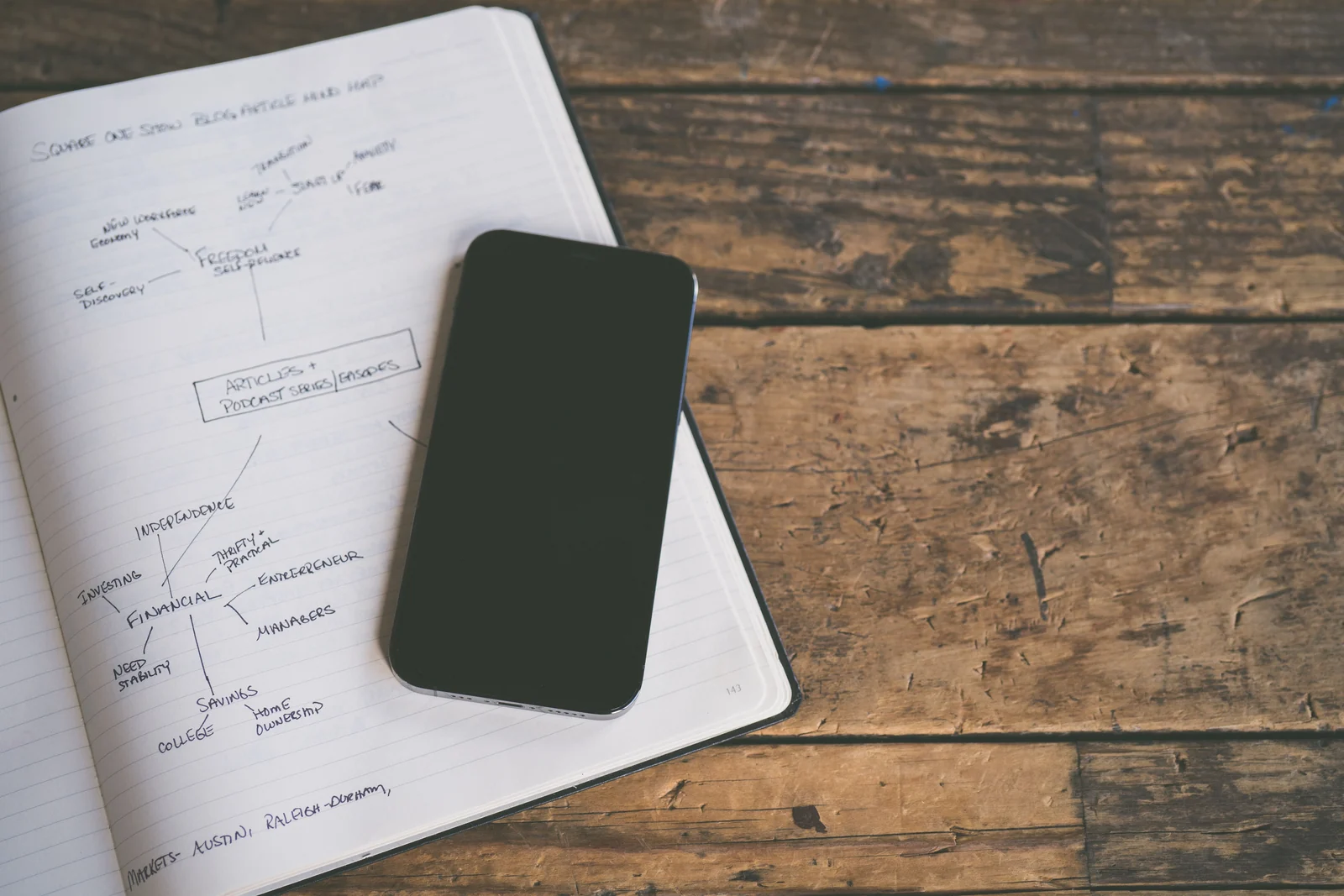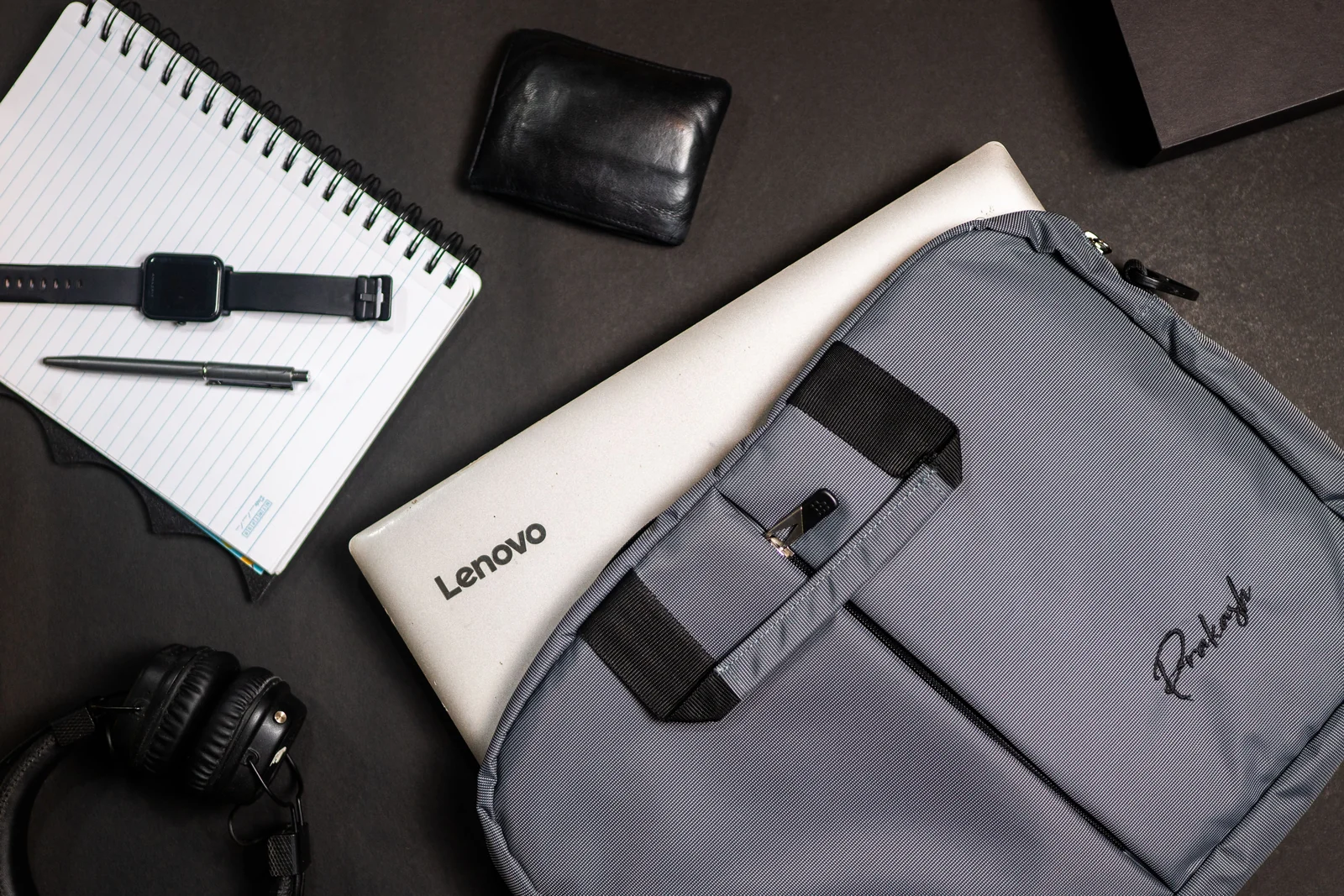
Imagine emptying your work bag. A laptop, a charger, a notebook, a few business cards. Perhaps a folder you have not opened in months. The contents tell a small story about how you work.
Some documents that once filled shelves now live on a screen. A link can take the place of the thick folder carried to a meeting. The objects get lighter, while the responsibilities remain: being reachable, finding the right information and delivering on time.
There was a time when a person carrying their business in a bag could seem less established than someone behind a large desk. As documents and communication moved online, that visual shorthand became less useful. The bag changed, and so did what people expected an office to prove.
What will not fit in the bag
You can take a laptop almost anywhere. A quiet setting for a conversation, a proper welcome for a visitor and the chance to sit around a table with your team are harder to carry.
This is where an office earns its place. Some days call for a room of your own; others need a meeting table for two hours. The choice follows what the work asks of you that day.
Fewer objects, clearer arrangements
Working lightly does not mean losing track of things. Where is the latest version of the document? Who receives incoming mail? When a client calls, who answers?
Clear answers make it easier to work between locations. A serviced office provides a regular physical base. A virtual office may provide an address and selected support when you work elsewhere. Coworking offers another way to arrange desk use. Check what each agreement actually includes.
What matters at the end of the day
A client may not remember the size of your bag. They are more likely to remember whether you arrived prepared, answered their question and kept your promise.
The bag can become lighter. The care you bring to the work still travels with you.