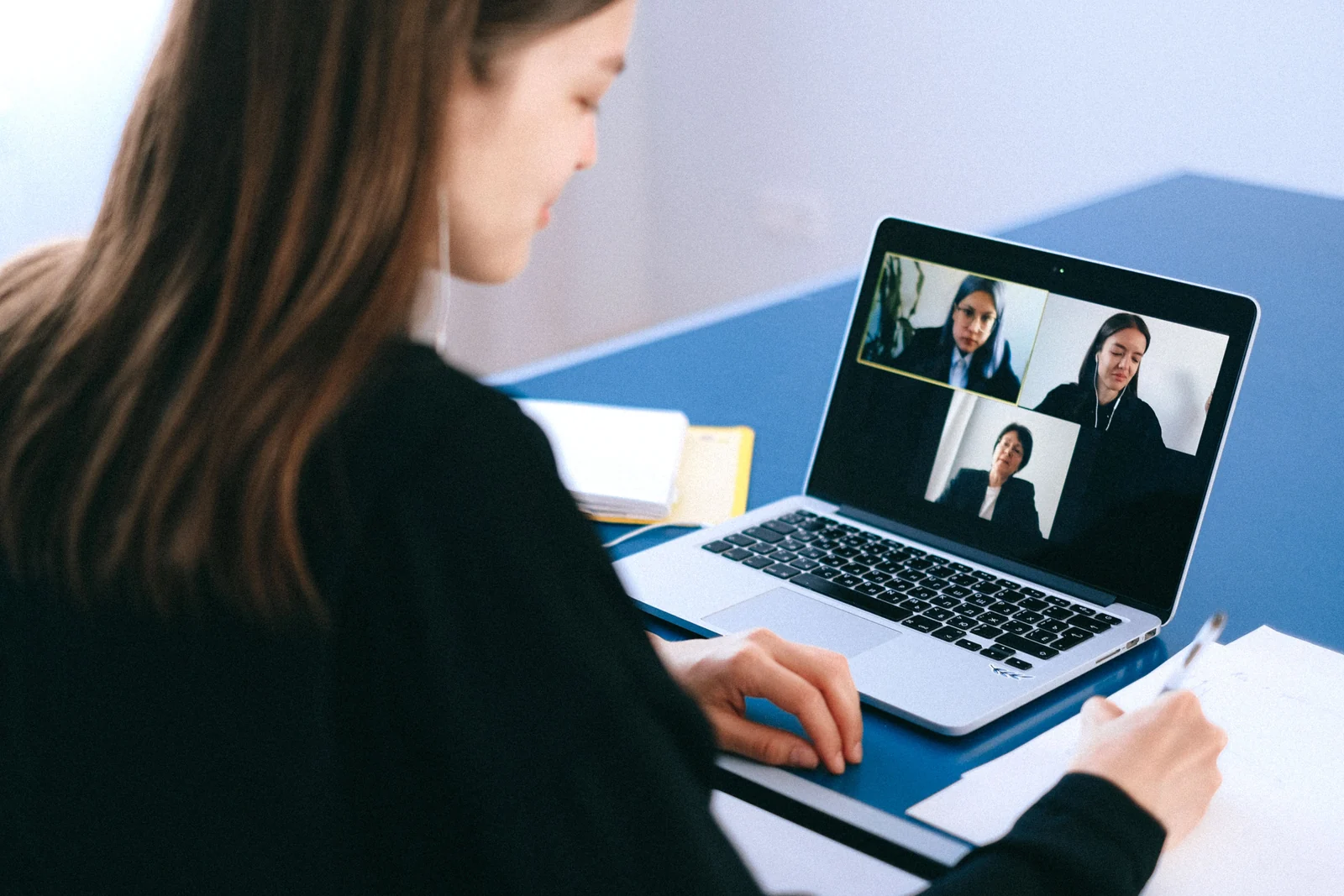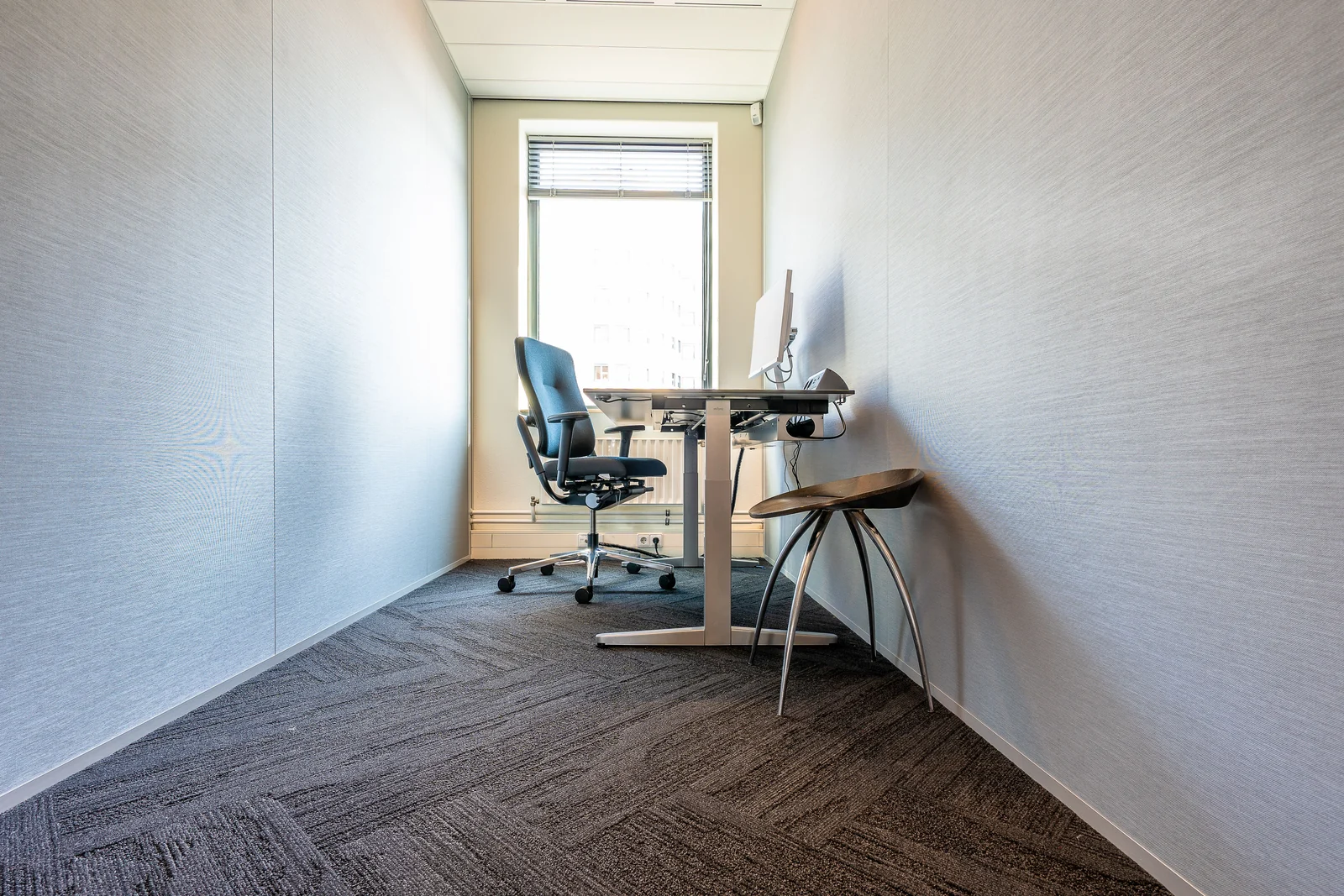
If you keep leaning forward to read a screen, reaching across the desk for the phone or sitting through consecutive meetings, your working setup may need a few changes. A comfortable office is one that can be adjusted to the person using it.
Arrange the desk around its user
Review the position of the screen, chair adjustments and frequently used equipment. If reflections or glare are a problem, consider the relationship between the screen and the lighting. Where desks are shared, users should be able to adjust the setup for their own tasks.
Display-screen ergonomics should be assessed for the individual and the work involved. Use your workplace’s health and safety support for an assessment, and speak to a healthcare professional if pain or discomfort persists.
Allow changes in activity
Where the work permits, plan short breaks or changes of task instead of remaining with the same activity for a long uninterrupted period. Avoiding back-to-back meetings can create time both to prepare and to step away from the workstation.
Getting some water or taking a short walk away from the desk can give a break a different rhythm. Discussing breaks alongside workload and team planning makes them easier to include in the working day.
Make shared-space arrangements clear
Keep the use of kitchens, lounge areas and meeting rooms understandable. Knowing whom to contact about cleaning or maintenance can stop a small issue from continuing unnecessarily. Distinguishing spaces for quiet work from areas for calls helps different needs coexist.
Ask about the team's experience
Do not assess the workplace only on the day it is set up. Invite regular feedback on lighting, sound, temperature and how areas are used. Use a SwissOffices visit to consider the practical conditions in which your team would spend the day.